
Crypto License Guide: How to Get Your Cryptocurrency License in 2026
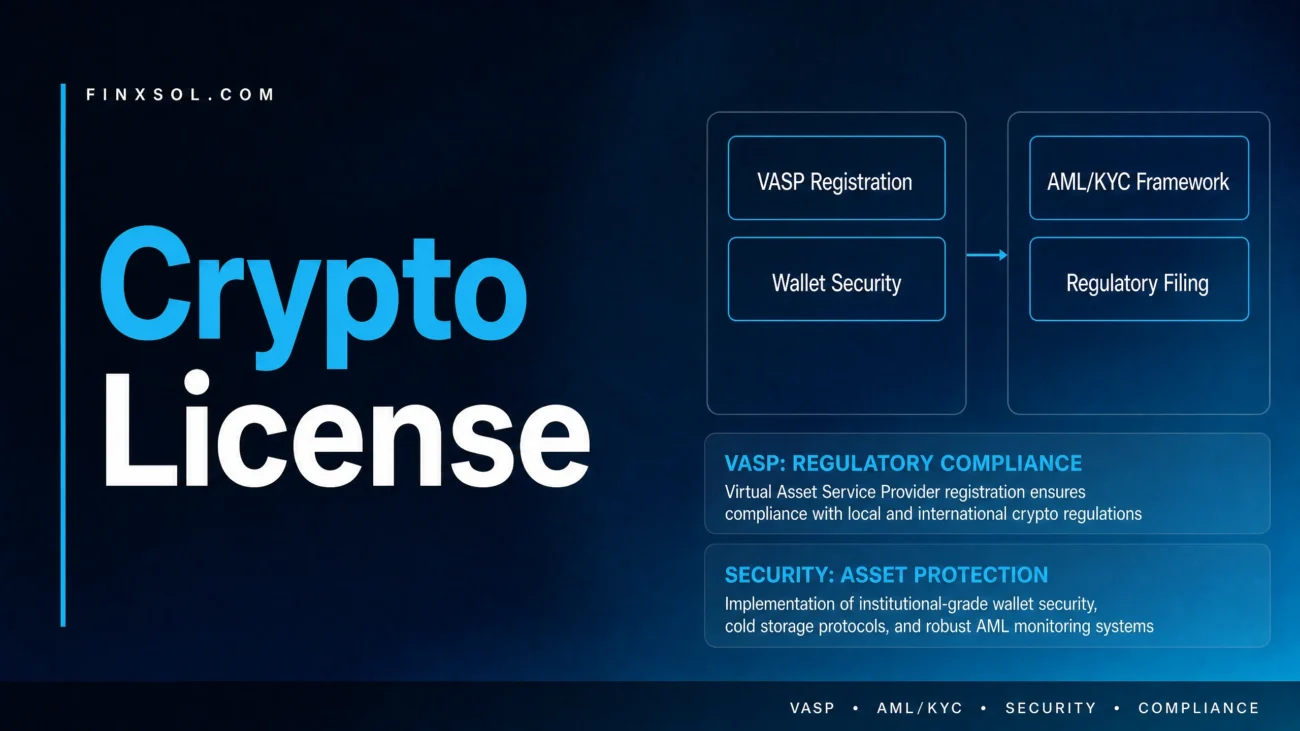
Executive Summary: A crypto license is a regulatory approval that allows your business to operate legally in the digital asset space. Whether you need a cryptocurrency exchange license, a custody license, or a VASP license, the application process involves company registration, AML/KYC compliance, capital requirements, and approval from the local financial authority. This guide covers the top jurisdictions, step-by-step application process, costs, and compliance requirements for getting your crypto license in 2026.
If you are ready to launch, explore our white label crypto exchange solutions for a complete turnkey setup.
What is a Crypto License?
A crypto license is a regulatory authorization that permits a business to offer cryptocurrency-related services. It is issued by a financial authority or regulator in a specific jurisdiction. Without a license, operating a crypto exchange, custody service, or trading platform is illegal in most regulated markets.
The license covers activities like crypto trading, custody, transfer, and advisory services. The specific license type depends on your business model. A crypto exchange license allows you to run a trading platform. A custody license lets you hold client assets. A VASP license covers multiple virtual asset services under one authorization.
For a full overview of the forex and crypto brokerage licenses available, visit our licensing guide.
Types of Crypto Licenses
Different business activities require different licenses. Here are the main types of cryptocurrency licenses you can apply for.
Crypto Exchange License
Allows you to operate a trading platform where clients buy, sell, and trade crypto assets. Required for centralized and decentralized exchanges that serve retail or institutional clients.
Custody License
Authorizes your business to hold and safeguard client crypto assets. Also called a cryptocurrency storage license. Requires strong security standards and insurance coverage.
VASP License
Virtual Asset Service Provider license. Covers multiple services including exchange, custody, transfer, and advisory. Required in the UAE, under MiCA in Europe, and other jurisdictions.
Fiat-to-Crypto Exchange License
Specifically for platforms that convert fiat currency into crypto and vice versa. Requires banking relationships and fiat payment processing capabilities.
STO License
Security Token Offering license. Required for platforms that issue or trade tokenized securities. Falls under securities regulation in most jurisdictions.
Crypto Fund License
Allows you to manage investment funds that hold crypto assets. Requires asset management authorization and compliance with investment fund regulations.
Each license type has specific capital, compliance, and operational requirements. The crypto exchange licensing guide provides more detail on each type.
Top Jurisdictions for Crypto Licensing in 2026
Choosing the right jurisdiction is critical. Your choice affects cost, timeline, reputation, and access to banking. Here are the leading jurisdictions for crypto licensing.
Europe
- Malta (VFA License): Virtual Financial Assets license under MFSA. Established framework. Strong reputation. Cost: $40,000–$70,000.
- Lithuania: Fast processing. Crypto exchange and custody licenses available. Cost: $20,000–$40,000.
- Estonia (FIU): Early adopter. VASP licenses available. Cost: $25,000–$50,000. Note: Estonian crypto license requirements have become stricter in recent years.
- Cyprus: EU member. Crypto asset service provider registration. Cost: $30,000–$60,000.
- Switzerland: FINMA regulation. Strong institutional trust. Higher cost: $80,000+.
With MiCA compliance coming into full effect, the best EU country for crypto license depends on your target market and timeline.
Middle East
- Dubai (VASP License): VARA regulation. Strong crypto hub. Cost: $50,000–$100,000. Fast-growing ecosystem.
- Abu Dhabi (ADGM): FSRA regulation. Institutional focus. Cost: $60,000–$120,000.
Asia-Pacific
- Singapore (MAS DPT Licence): Payment Services Act. Major financial hub. Cost: $80,000–$150,000. Strong reputation and banking access.
- Hong Kong (SFC VASP / VATP): Virtual Asset Trading Platform license. Cost: $70,000–$130,000.
Offshore Jurisdictions
- BVI, Cayman Islands, Labuan: Lower cost. Faster setup. Cost: $15,000–$40,000. Suitable for startups and smaller operations.
- Panama, Costa Rica, St. Vincent: Minimal regulation. Fast incorporation. Cost: $10,000–$25,000. Lower regulatory oversight.
For a complete comparison of offshore options, visit our offshore company registration page.
How to Get a Crypto License: Step-by-Step Process
The application process varies by jurisdiction but follows a similar pattern. Here is the typical crypto license application process.
Choose Your Jurisdiction
Evaluate cost, timeline, reputation, and banking access. Consider your target market and business model. Each jurisdiction has different capital requirements and compliance standards.
Incorporate Your Company
Register a legal entity in the chosen jurisdiction. This is a prerequisite for any license application. You need a local registered address and directors.
Prepare Your Compliance Documents
Draft AML and KYC policies that meet local standards. Prepare business plans, risk assessments, and operational procedures. Many jurisdictions require a detailed compliance manual.
Hire Key Personnel
Appoint a compliance officer and AML officer. Some jurisdictions require local directors or a fit and proper person test. Ensure your team meets the regulatory standards.
Meet Capital Adequacy Requirements
Deposit the required paid-up capital in a local bank account. Capital requirements range from $15,000 in offshore jurisdictions to over $100,000 in Singapore or Hong Kong.
Submit Your Application
File the complete application with the financial authority. Include all documents, policies, and evidence of capital. Pay the application fee. The authority will review your submission.
Pass the Review Process
The regulator will conduct due diligence on your company, directors, and compliance systems. This stage includes background checks and fit and proper assessments. Be prepared for questions and follow-up requests.
Launch Your Operations
Once licensed, you can start operations. Set up your trading platform, integrate payment systems, and open corporate bank accounts. Ongoing compliance and reporting requirements apply.
For professional assistance, our crypto licensing team handles the entire application process from start to finish.
Crypto License Costs by Jurisdiction
Costs vary significantly by jurisdiction. Here is a comparison of crypto license costs across major jurisdictions.
These are base costs. Additional expenses include legal fees, compliance consulting, and ongoing annual maintenance. The total cost of a crypto license in Europe or the Middle East typically ranges from $50,000–$150,000 for the first year.
Note: All costs are estimates as of July 2026. Actual costs vary by provider, business scope, and regulatory changes. Contact Finxsol for a precise quote based on your business model.
Compliance Requirements for Crypto Licensing
Regulators expect robust compliance systems. Here are the key compliance areas you need to address.
AML and KYC
Anti-Money Laundering and Know Your Customer policies are mandatory. You need identity verification, transaction monitoring, and sanctions screening. Most jurisdictions require a dedicated AML officer.
Travel Rule Compliance
The Financial Action Task Force (FATF) Travel Rule requires VASPs to share sender and receiver information for transactions above a threshold. Compliance requires technical integration with other VASPs.
Security Standards
Custody services require strong security standards. Regulators look for multi-signature wallets, cold storage, and regular security audits. Insurance coverage is often expected.
Reporting and Audits
Licensed entities must submit regular reports to the regulator. Annual audits by an independent firm are usually required. Transaction records must be maintained for a statutory period.
For a full breakdown of crypto compliance standards, read our compliance guide for crypto businesses.
Offshore Crypto License vs Onshore Crypto License
Choosing between offshore and onshore licensing affects your business in several ways. Here is a comparison.
The right choice depends on your budget, target market, and long-term goals. Many businesses start offshore and transition to onshore as they scale.
Need a Crypto Bank Account?
Onshore licenses open doors to better banking relationships. We can help you open a corporate bank account for your crypto business. Explore banking solutions →
MiCA and Global Crypto Regulation Trends
Regulation is evolving rapidly. The Markets in Crypto-Assets (MiCA) regulation in Europe is setting a global standard. MiCA compliance is now mandatory for crypto businesses operating in the EU.
Other jurisdictions are following suit. The UAE, Singapore, Hong Kong, and the UK are all developing comprehensive crypto-assets regulation frameworks. Staying compliant is essential for long-term success.
Our financial services ecosystem helps you stay ahead of regulatory changes with ongoing compliance support.
Frequently Asked Questions
How to get a crypto license?
To get a crypto license, choose a jurisdiction, incorporate a company, prepare AML and KYC policies, hire a compliance officer, submit your application to the financial authority, and pass their fit and proper test. The process takes 3-12 months depending on the jurisdiction. Contact our licensing team for end-to-end support.
Which jurisdiction is best for a crypto exchange license?
Top jurisdictions for crypto exchange licenses include Malta (VFA license), Singapore (MAS DPT licence), Dubai (VASP license), and Lithuania. The best choice depends on your target market, budget, and business model. Each has different capital requirements and regulatory oversight levels.
How much does a crypto license cost?
Crypto license costs range from $15,000 in offshore jurisdictions like BVI to over $100,000 in major financial centers like Singapore or Hong Kong. Annual compliance and legal fees add $20,000–$50,000 per year. The total cost of a crypto license in Europe or the Middle East is typically $50,000–$150,000 for the first year.
Do I need a license to trade crypto?
If you operate a crypto exchange, custody service, or trading platform for clients, you need a crypto license in most regulated jurisdictions. Trading crypto for your own account does not require a license in most countries. Offering services to others triggers licensing requirements.
What is a VASP license?
A VASP (Virtual Asset Service Provider) license is a regulatory authorization required to offer crypto services in jurisdictions like the UAE, Europe (under MiCA), and other regulated markets. It covers exchange, custody, transfer, and advisory services. The license is issued by the local financial authority.
What is the difference between a crypto exchange license and a custody license?
A crypto exchange license allows you to operate a trading platform where clients buy and sell crypto assets. A custody license allows you to hold and safeguard client crypto assets. Many jurisdictions require both licenses if you offer exchange and custody services. Some VASP licenses cover both activities.
Conclusion
Getting a crypto license is the foundation of a legitimate crypto business. The process requires careful planning, compliance preparation, and the right jurisdiction choice. Whether you are launching a crypto exchange, a custody service, or a trading platform, the license gives you legal status and institutional trust.
Start by defining your business model and target market. Then choose a jurisdiction that matches your budget and timeline. Prepare your compliance documents and assemble your team. The application process takes time, but the payoff is a regulated, scalable business.
If you need help with your crypto license application, company registration, or platform setup, reach out to our team. We handle the entire process from start to finish.
Ready to get your crypto license?
Get a free consultation and custom quote based on your business model and target jurisdiction.
Contact Finxsol →